
October 30, 2026
Is Ceramic Coating Safe for New Cars? What to Know Before Booking
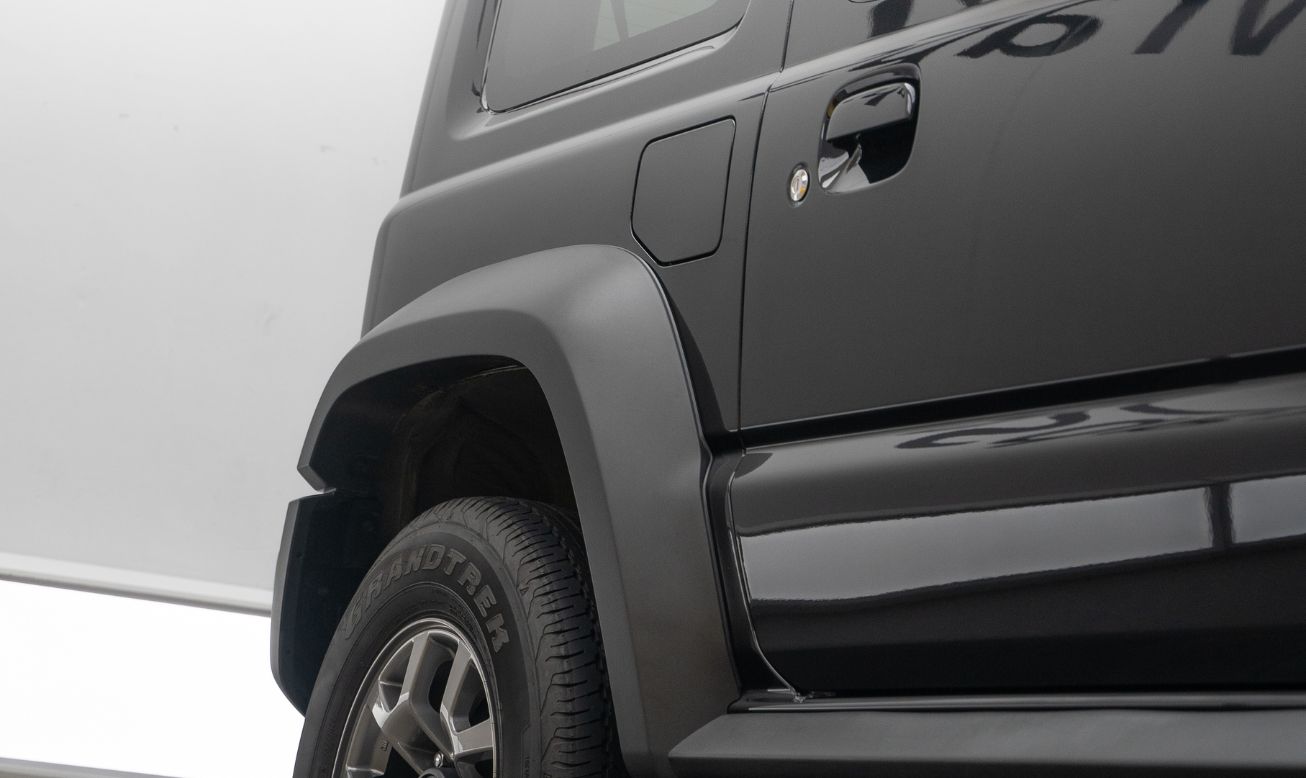
New car paint protection guide
Is Ceramic Coating Safe for a New Car?
Yes, a suitable coating can be applied to factory paint. The important decisions happen before application: inspect the finish, prepare it correctly and follow the product’s curing instructions.
Collecting a new car is exciting, and it is reasonable to be cautious about adding a product to fresh paint. The short answer is that ceramic coatings designed for automotive factory clear coats can be suitable for new cars when applied correctly. The paint must be inspected, cleaned and prepared first. If any panel has been repainted, that panel may need different timing and advice from the repairer. A responsible installer will check these details rather than treat every new vehicle the same.
What does a coating actually do?
A ceramic coating is a clear protective layer applied to a prepared surface. Its practical appeal is easier routine cleaning, water repellency and resistance to some environmental contamination. It is not a replacement for clear coat and it will not repair paint defects. It also cannot prevent stone chips or make the car scratchproof. If impact protection is your priority, ask about paint protection film for the exposed panels.
Manufacturer guidance matters. Gtechniq’s application instructions for Crystal Serum Light call for thorough washing and decontamination, and polishing if the paint has imperfections. The product and technique your installer chooses should suit your vehicle’s finish.
Why inspect paint that is brand new?
A new vehicle may have travelled, sat outdoors, been washed at a dealership or had a panel repaired before delivery. That does not mean there is a problem, but it does mean “new” is not a complete paint-condition report. Under good lighting, an installer can check for wash swirls, water spots, transport residue, fallout and any areas that deserve attention before coating.
The preparation should be proportionate. Some cars need only a careful wash, decontamination and light finishing work; others need correction to address visible marks. Ask the installer to show you what they found and explain any polishing before it starts. A coating will follow the surface beneath it, so a rushed application can preserve imperfections rather than hide them.
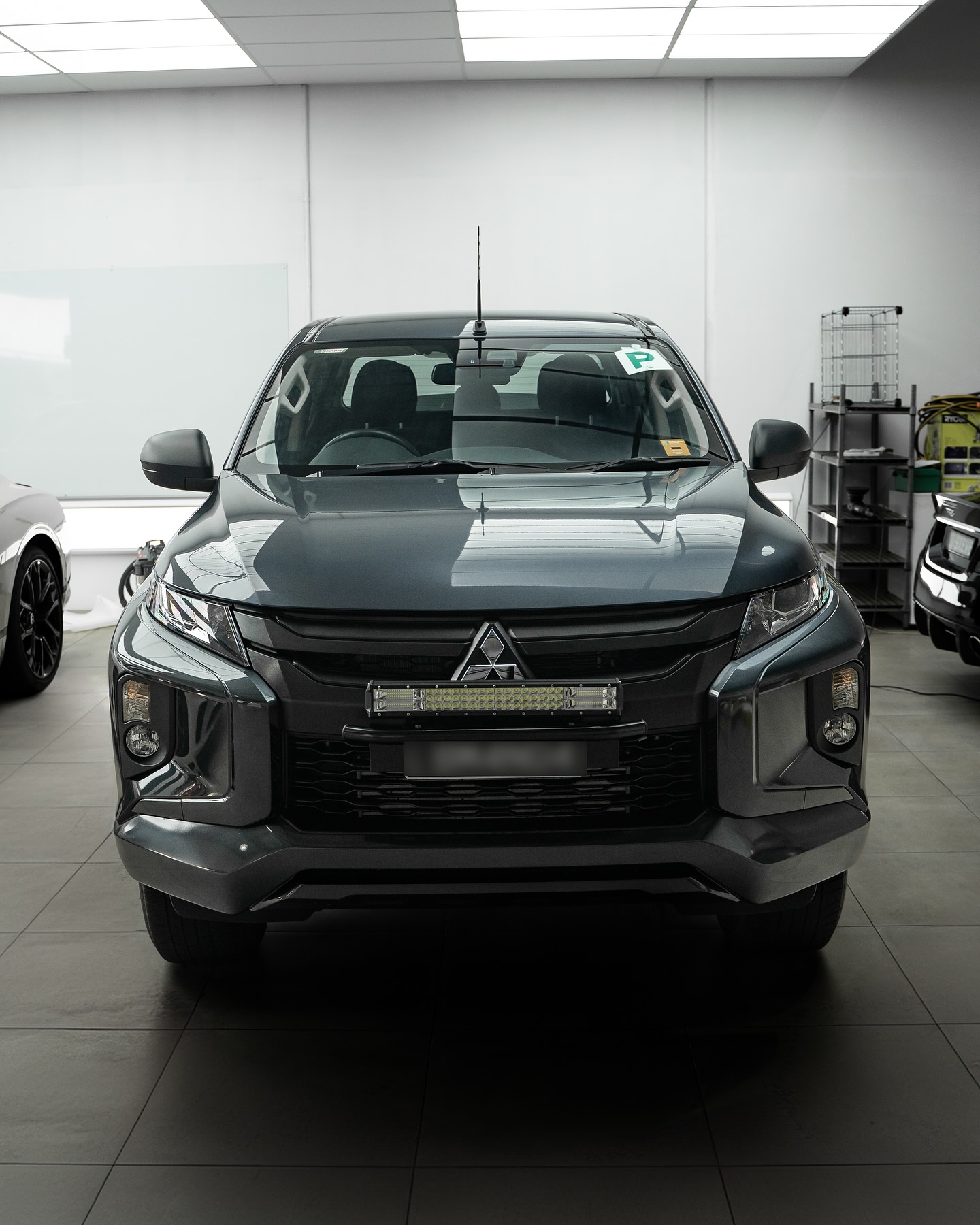
Factory paint and repainted panels are different
Factory paint is normally fully cured by the time a vehicle reaches its owner. A recently repainted panel is different. Paint systems and repair conditions vary, so ask the body shop or painter when that repair is ready for a coating. Tell your detailer about any recent paintwork before they choose the product or appointment date.
Also check any pre-existing dealer treatment. A coating should not simply be applied over an unknown product without assessing the finish. The installer may recommend removing residue or old protection first. This is one reason to discuss the car before booking a package online.
A sensible new-car application process
01 · Inspect
Check the finish
Look for marks, residue and repainted panels. Agree on the surfaces to be protected and any correction that is genuinely needed.
02 · Prepare
Clean the surface
Wash and decontaminate the paint. Polish defects where appropriate, then prepare the surface according to the coating maker’s instructions.
03 · Apply
Coat and inspect
Apply the selected product in a controlled setting, remove excess material and check the finish before handover.
04 · Care
Follow aftercare
Keep the car dry for the period specified by the installer, then wash it with suitable products and techniques.
When should you book after delivery?
You can arrange an inspection soon after receiving the car. Inspect the vehicle at handover first and raise any delivery or paint concerns with the dealer before additional work. Once the finish and coating plan are agreed, the installer can advise on timing. If a panel was recently repaired, use the repairer’s curing advice for that panel rather than assuming the factory-paint schedule applies.
After installation, the initial curing and first-wash instructions depend on the specific product. For example, Gtechniq provides product-specific dry-time guidance. Follow the written advice for the coating actually used on your car, especially during Melbourne’s wet months.
What about warranties?
A coating product warranty and a car manufacturer’s warranty are different documents. Do not rely on a blanket claim that a third-party coating either cancels or protects every aspect of a vehicle warranty. Read your vehicle’s terms, ask the dealer about any particular concern, and request the coating maker’s written warranty and maintenance conditions. Keep records of the work and aftercare you receive.
Choosing the right protection for your car
Start with how the car will be used. A daily driver parked outside, a weekend vehicle and a car that sees long highway trips face different conditions. Coating is useful for cleaning and environmental protection; film is better suited to physical impacts. You can discuss both, but ask for a clear explanation of which panels and surfaces each product covers.
Car Ceramic Protection has a Melbourne ceramic paint protection service at its Bayswater studio. The team can inspect your new vehicle, explain preparation and recommend a coating suited to its paint and your plans. You can also book a consultation before choosing a package.
Questions to ask before you hand over the keys
Ask which coating will be used, which panels and other surfaces are included, and whether the team will photograph or show you any defects found during inspection. Confirm whether correction is included in the quote or needs a separate decision. If the car has recently had a repair, identify the panel and share the painter’s advice. Finally, ask when the car can get wet, when it can first be washed and what care products the coating maker recommends.
Good answers should be specific to the product and your vehicle. They should also explain what the coating will not do. A clear scope protects you from paying for an unsuitable package and helps the installer deliver the finish you expect. Keep the handover and care instructions so future washes and any warranty questions are straightforward.
Frequently asked questions
Will ceramic coating damage my new car’s paint?
A product intended for factory clear coat should not damage intact paint when the surface is suitable and the manufacturer’s directions are followed. Poor preparation or application can still produce an unsatisfactory finish, so choose an installer who inspects and explains the process.
Does a new car need paint correction before coating?
Only if the inspection finds defects worth correcting. New paint can have marks, but correction should be based on what is actually present, not added automatically.
Will the coating stop stone chips?
No. Ask about paint protection film for impact-prone panels. A coating and a film solve different problems.
Can I wash the car immediately after coating?
Follow the installer and product maker’s curing instructions. The initial keep-dry period and first-wash advice depend on the exact coating used.
Protect the finish you just bought
Book a new-car paint inspection
Tell us about your new vehicle, any recent paintwork and how you plan to use it. We will explain the right preparation and protection options.