
Why Do I Need to Protect the Paint on My New Vehicle?
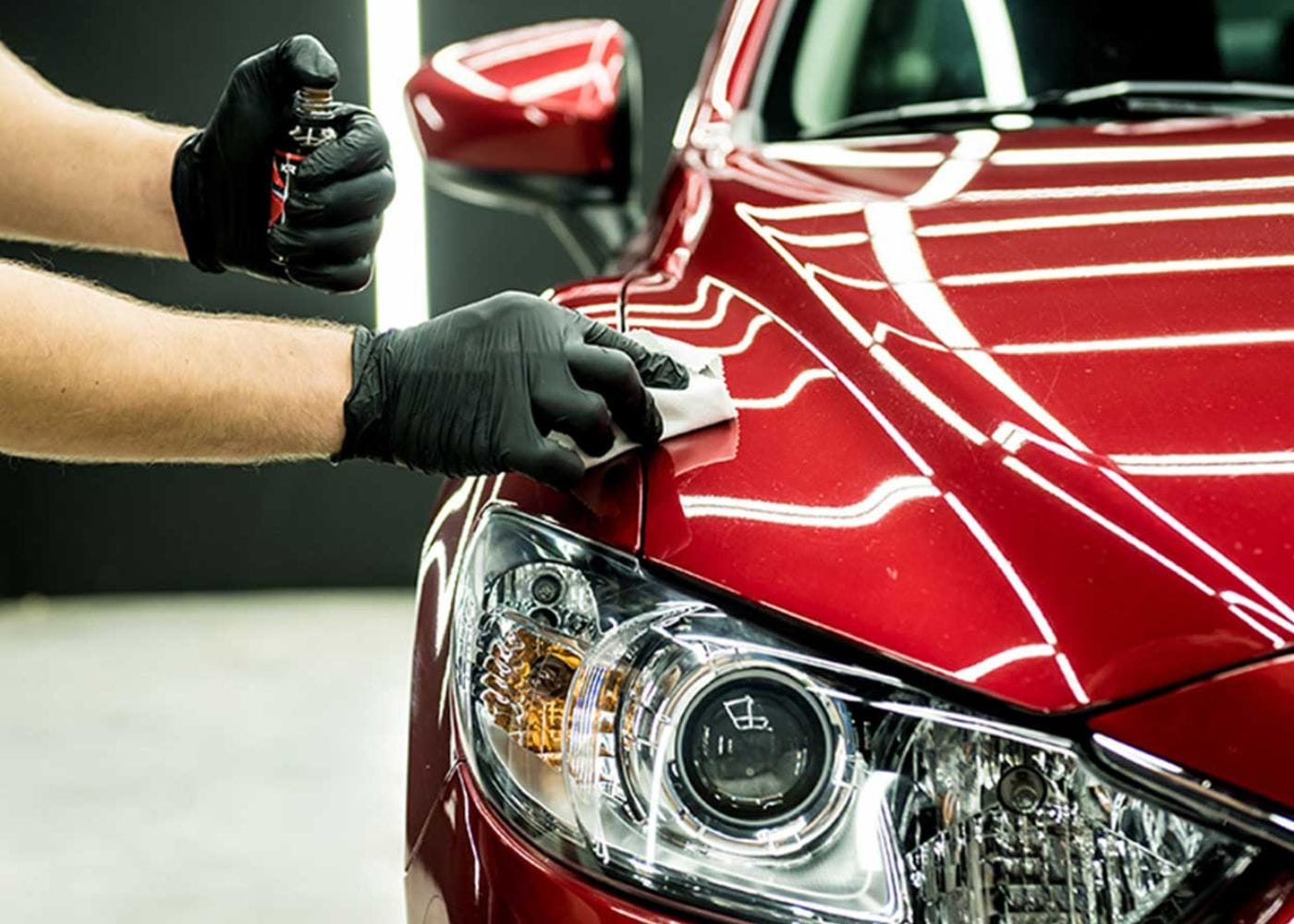
Keeping That Paint Protected on Your Pride & Joy
Graphene Coating: The Next Generation of Car Protection
A graphene coating takes the silica base of a traditional ceramic coating and adds graphene to it. That one change alters how the surface handles heat, water and static, and it is the reason a graphene coating suits some cars better than a ceramic one. This page explains the difference honestly, including where ceramic is still the smarter buy.
What a Graphene Coating Actually Is
Graphene is carbon arranged in a single atom thick lattice. It conducts heat exceptionally well and it is chemically stable, which is why it turned up in coatings once manufacturers worked out how to suspend it in a silica carrier.
A graphene coating is not a different category of product to ceramic. It is a ceramic coating with graphene added to the formula. Both bond chemically to your clear coat, both cure into a hard, hydrophobic layer, and both dramatically outlast wax or sealant.
Through Kovalent we use their Graphene Matrix coating, engineered to self correct microscopic surface scratches over time. It is a genuine accredited product with manufacturer backing, not a marketing label applied to a standard coating.
What that means in practice
- Heat spreads across the panel instead of concentrating
- Cooler panels mean water has longer to be rinsed off
- The surface holds less static, so it attracts less dust
- Gloss reads slightly slicker to the touch than ceramic
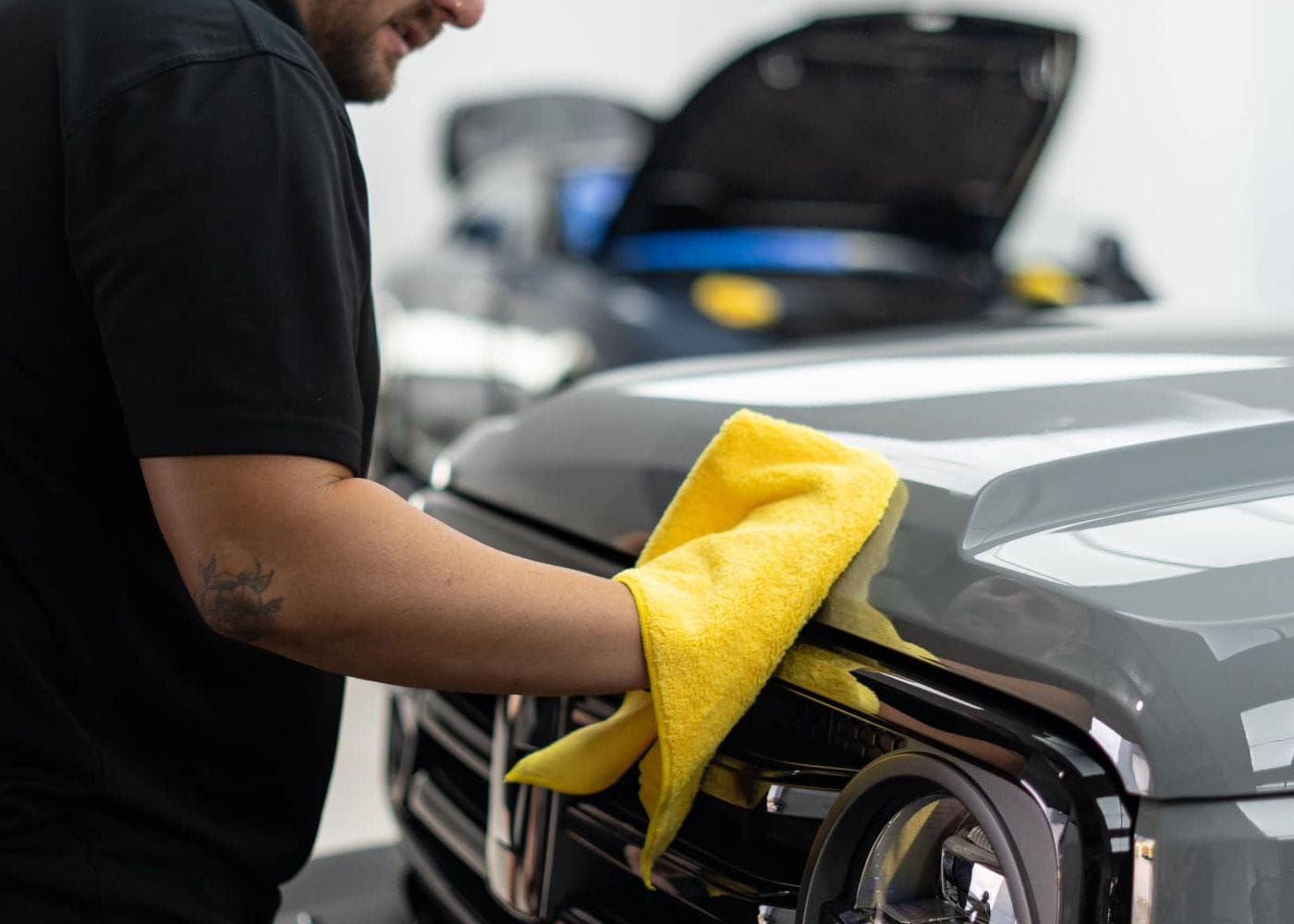
What a Graphene Coating Will Not Do
Graphene has been marketed hard, and some of the claims made for it are not supportable. It is worth being clear about the limits before you spend money on it.
It will not stop stone chips. No coating does. A cured coating is microscopically thin and cannot absorb physical impact. Only paint protection film does that, and it only protects the panels it covers.
It will not fix your paint. A coating seals in whatever condition the surface is in. Swirl marks and etching present on application day stay there for the life of the coating, which is why correction comes first.
It will not last forever. Anyone offering a lifetime coating is selling you a warranty document rather than a product. Expect five to nine years from a premium coating that is properly maintained.
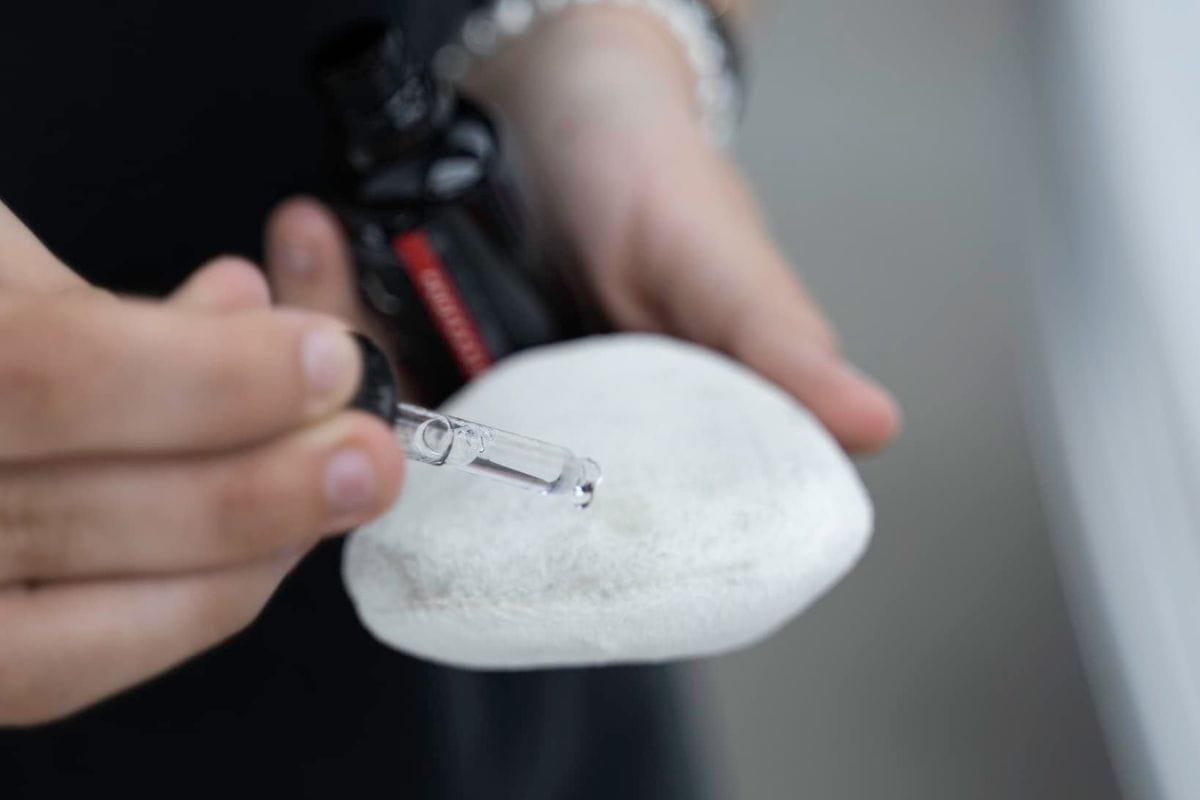
Graphene Coating vs Ceramic Coating
A graphene coating and a ceramic coating are close cousins. Both bond to your paint and dramatically outlast wax. The difference is in the chemistry, which changes how each one handles heat, water and daily grime. Here is how the two compare at a glance.
| Feature | Graphene Coating | Ceramic Coating |
|---|---|---|
| Base formula | Silica (SiO2) enhanced with graphene | Silica (SiO2) based |
| Heat handling | Excellent, dissipates heat across the panel | Good |
| Water spot resistance | Highest, cooler panels mean fewer spots | Strong |
| Gloss and slickness | Deep gloss with an extra slick feel | Deep, glassy gloss |
| UV and chemical resistance | Strong | Strong |
| Dust and static | Anti static, attracts less dust | Standard |
| Durability with care | Around 5 to 9 years, strong heat stability | Around 5 to 9 years |
| Typical cost | Slightly higher | More budget friendly |
| Stone chip protection | None, film required | None, film required |
| Best suited to | Cars parked outdoors, hot or coastal climates | Garaged cars and tighter budgets |
The Verdict
Neither is simply better, they suit different cars. If your vehicle lives outdoors in the sun or near the coast, a graphene coating gives you the edge on heat and water spotting. If it is mostly garaged, or you want premium protection at a friendlier price, a quality ceramic coating is an excellent choice and we will say so. Not sure which fits your car? Book a free inspection and we will recommend the right option, with no pressure.
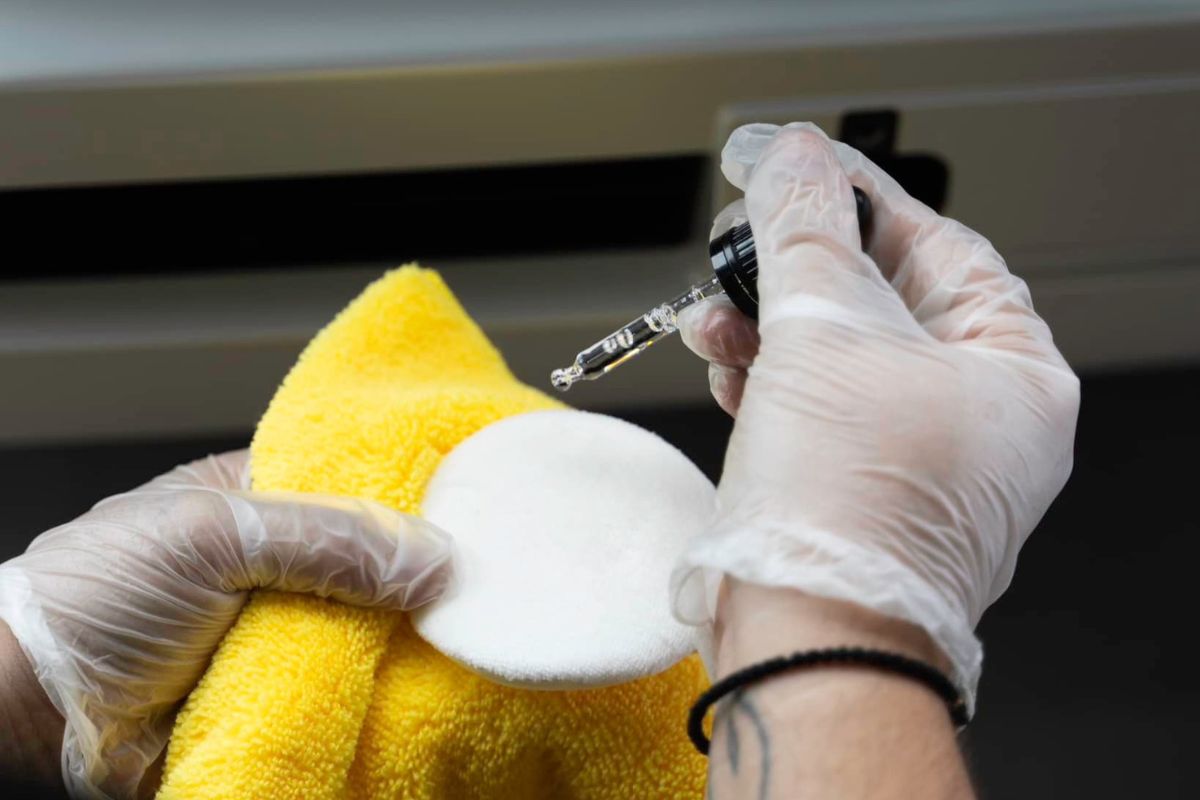
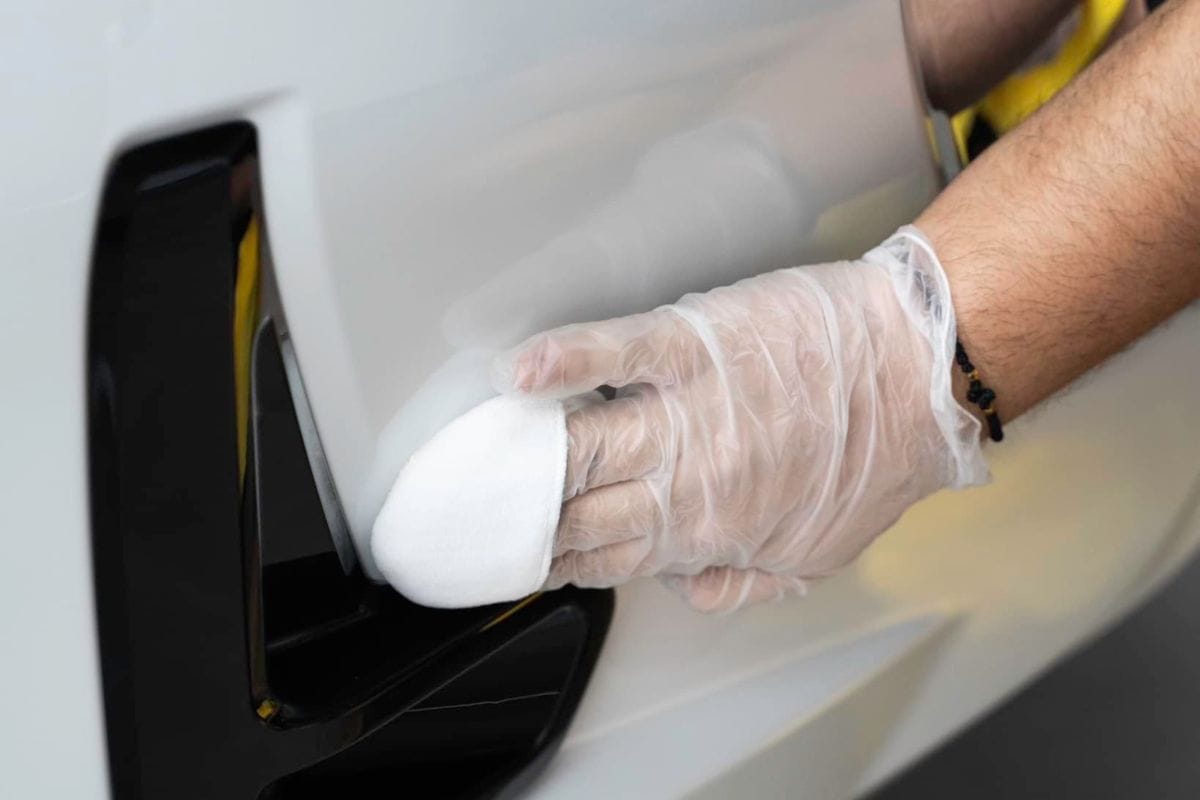
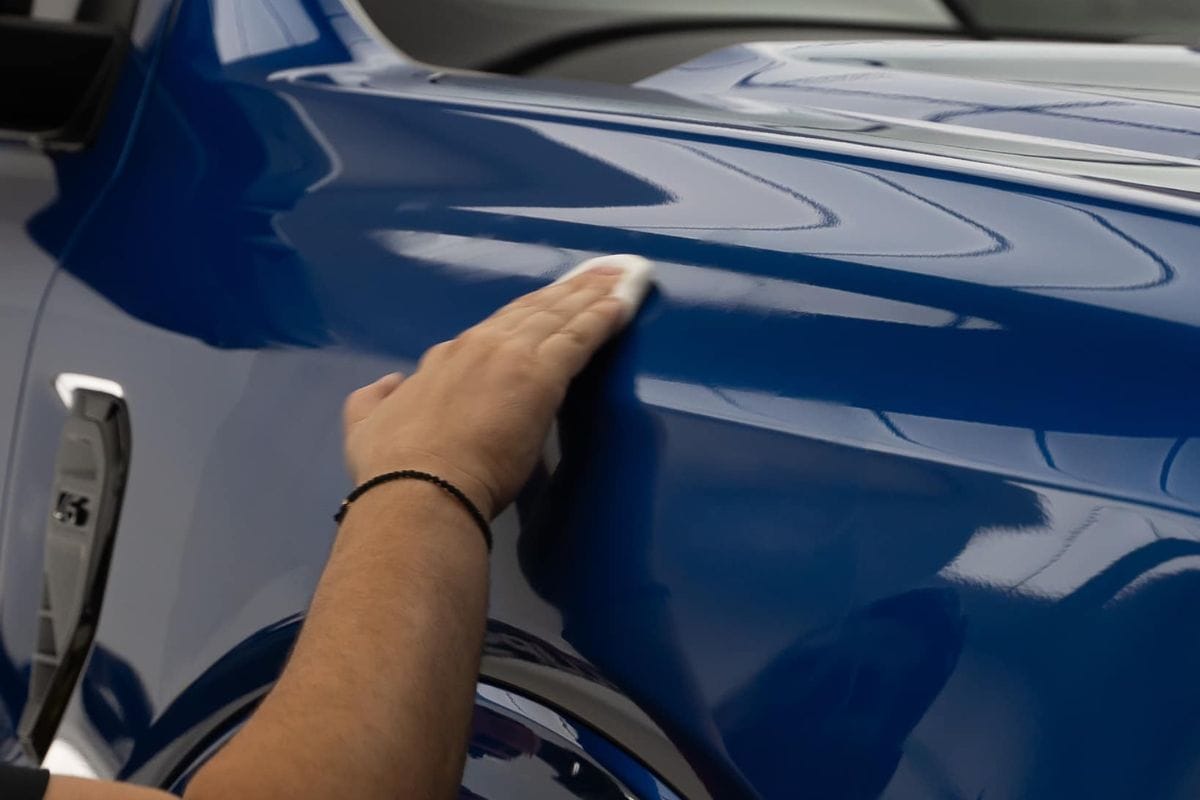
Who a Graphene Coating Suits Best
The advantages of graphene are real but situational. They matter most when a car is exposed to heat and water, and matter least when it spends its life in a garage.
Cars Parked Outdoors
If the car sits in a work car park or driveway all day, the heat handling advantage applies every single day rather than occasionally.
Hot and Coastal Climates
High UV, hot panels and mineral heavy water are exactly the conditions where cooler surfaces and fewer water spots pay off.
Dark Coloured Paint
Blacks and deep colours run hotter and show water spotting and dust more readily, so they benefit most from both properties.
Owners Who Wash At Home
An anti static, slicker surface releases dirt more easily, which means less contact time with a mitt and less risk of marring.
Long Term Keepers
If you plan to hold the car for five years or more, the heat stability is worth paying for because it shows up late in the coating's life.
Not Necessarily You
Garaged, low kilometre or short ownership vehicles rarely justify the premium. A quality ceramic coating is the sensible buy and we will tell you so.
Our Graphene Coating Process
The coating is the last twenty percent of the job. Everything before it decides how long the result lasts, and it is where cheap quotes cut corners.
Inspection and Quote
We assess the paint under specialist lighting, discuss how and where you drive, and recommend graphene or ceramic honestly. You leave with an itemised quote.
Decontamination and Correction
Full decontamination wash, iron fallout and tar removal, clay bar treatment, then machine polishing matched to your paint. A coating locks in whatever is underneath it.
Application and Cure
Applied panel by panel in an enclosed workshop for even coverage and correct levelling, with proper flash and cure times observed at every stage.
What You Actually Get
Long Lasting Protection
Five to nine years from a premium coating with proper care, rather than the weeks a wax gives you or the months from a sealant.
UV and Oxidation Defence
Australian UV fades and flattens paint year round. A coating blocks it at the surface so the colour underneath holds its depth.
Far Less Washing Time
Dirt and water release rather than clinging, so the car stays cleaner between washes and each wash takes a fraction of the effort.
Chemical Resistance
Bird and bat droppings, tree sap and industrial fallout are acidic. The coating takes the hit instead of your clear coat.
Stronger At Resale
Original condition paint is the first thing a buyer reads, and it is easy to evidence with an invoice and an annual service history.
Free Annual Service
Andrew's Car Care Plan includes a free decontamination wash, inspection and booster coating each year, for the life of the coating.
What Our Customers Are Saying
Every review below is pulled live from our Google Business Profile, so what you see is current and unedited.




Graphene Coating vs Ceramic Coating FAQs
Wondering how a graphene coating stacks up against a traditional ceramic coating? Here are the questions we hear most, answered honestly so you can choose the right protection for your car.
What is the difference between graphene coating and ceramic coating?
Both are liquid polymers that bond to your paint and cure into a hard protective layer, and both dramatically outlast wax. The difference is the chemistry. A graphene coating adds graphene to the silica base of a traditional ceramic coating, which changes how it handles heat, water and static.
Which lasts longer, graphene or ceramic coating?
In practice they are comparable, with both premium tiers running around five to nine years with proper care. Graphene holds its performance better under sustained heat, so a car that lives outdoors in the sun may see the graphene option age more gracefully.
Is graphene coating better for heat and UV?
For heat, yes. Graphene disperses heat across the panel rather than letting it concentrate, which keeps the surface cooler. On UV resistance the two are closely matched, and both are a very large step up from wax or sealant.
Does graphene coating reduce water spotting more than ceramic?
It tends to, and the heat handling is the reason. Water spots form when mineral rich water evaporates on a hot panel. A cooler panel gives you longer to rinse the water away before it dries and etches.
Is a graphene coating worth the extra cost over ceramic?
It depends on where the car lives. If it sits outdoors in the sun or near the coast, the heat and water spotting advantages are real and worth paying for. If it is garaged most of the time, a quality ceramic coating will serve you just as well for less.
Which should I choose for my car, graphene or ceramic coating?
Neither is simply better, they suit different cars. Bring the vehicle in for a free inspection and we will look at the paint, ask how and where you drive, and recommend the option that actually fits. Sometimes that is the cheaper one.
How do I maintain a graphene coating?
The same way as any quality coating. Wash every two to three weeks using the two bucket method and a pH neutral shampoo, avoid automatic brush washes entirely, remove bird droppings and sap quickly, and book the free annual service under Andrew's Car Care Plan.
Does a graphene coating stop stone chips?
No. No coating does. A coating adds hardness and chemical resistance but it is microscopically thin and cannot absorb physical impact. For stone chip protection you need paint protection film on the panels that face the road.
Graphene or Ceramic? Let's Find Out.
Book a free inspection at Geebung, Arundel or Bayswater. We will look at your paint, ask how you use the car, and recommend the option that suits it. Sometimes that is the cheaper one.